
Cultural Significance
Tribal Heritage
A living tradition shaped by land, community, rituals, and resistance — preserved through generations of Santhal cultural identity.
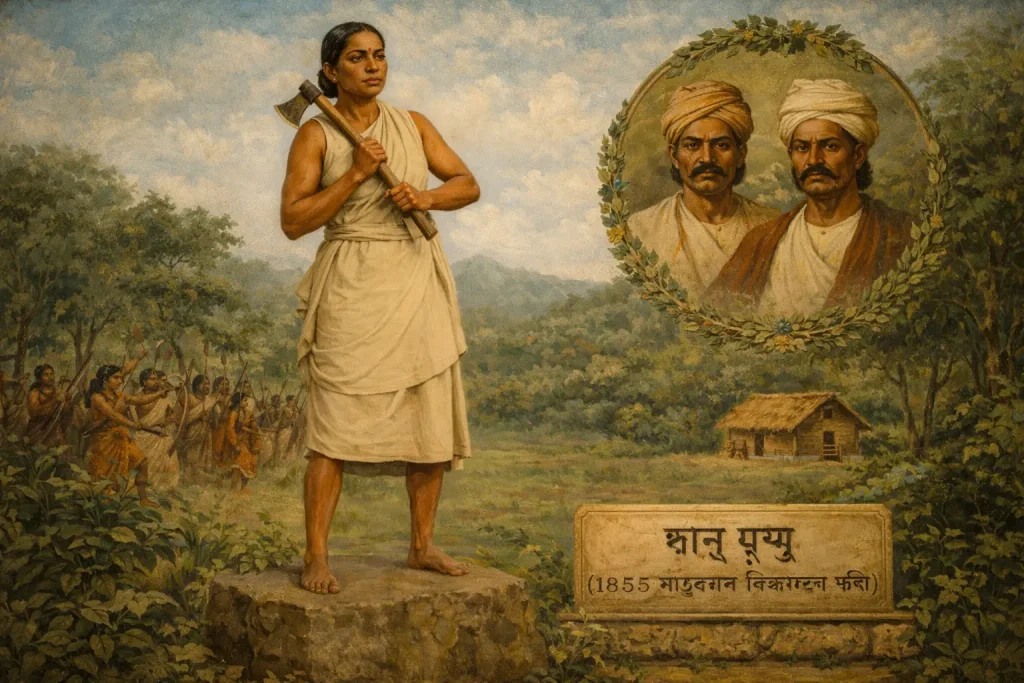
Roots of Santhal Cultural Identity
Tribal heritage is not only history — it is a living way of life. Santhal traditions reflect deep bonds with nature, collective living, oral storytelling, and ceremonial practices that guide social harmony.
Festivals & Rituals
Seasonal festivals, harvest ceremonies, and sacred gatherings express gratitude toward nature and strengthen social bonds.
Music & Dance
Traditional drums, folk songs, and circular dances preserve history and values through performance and celebration.
Traditional Knowledge
Indigenous knowledge of forests, farming, healing herbs, and survival practices is passed through generations.
Heritage & Resistance
Cultural strength supported resistance movements and helped leaders like Phulo Murmu emerge from within the community.
Women in Resistance
Tribal resistance was not led by men alone — women stood at the frontlines, organized communities, and carried courage into action.
Women protected families, preserved morale, and helped maintain unity during times of conflict and uncertainty.
Many tribal women participated directly in resistance efforts, strategy discussions, and defense of their land and rights.
Figures like Phulo Murmu emerged from within the community, proving that leadership is born from conviction, not position.
Their participation reshaped how future generations understood women’s power in social and historical movements.
Women in Resistance
Tribal resistance was not led by men alone — women stood at the frontlines, organized communities, and carried courage into action.
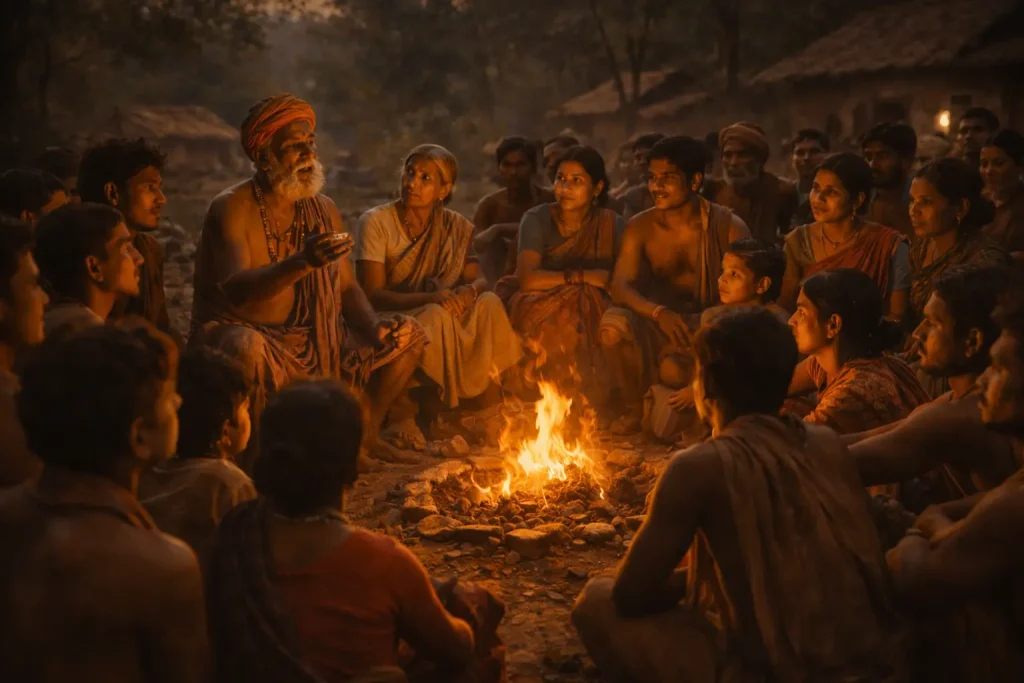
Stories Passed by Voice
Community elders preserved resistance stories through narration, ensuring heroes remained alive in collective memory.
Memory Through Music
Songs and rhythmic chants encoded events, leaders, and struggles into cultural performance traditions.
Ritual Remembrance
Gatherings and rituals became spaces where historical sacrifice and courage were honored collectively.
Legacy in Naming
Places, events, and individuals carry names that keep memory connected to daily life and identity.
Memory as Practice
Cultural memory survives not in books alone — but in living traditions practiced each generation.
Memory to Inspiration
Remembered resistance becomes inspiration for youth and future cultural leadership.